



Episode 238: The Importance of Community in Education
We’re talking community this week on The School of School Podcast, with special guest, Sarah Matthews joining us. Sarah’s school has a nearby army barracks, so has high mobility. What things does her school do to build a sense of community and safety for pupils? How are transitions for newly-joining students managed? Find out!
More Podcasts on Education
Continue listening to our educational experts
This is The School of School podcast
Listen on Apple Podcasts, Spotify or wherever you find your podcasts.


Meet your instructors
The school of school podcast is presented by:
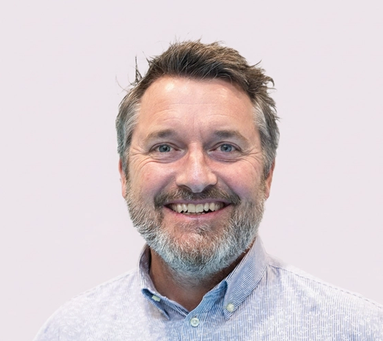
Adam Gifford

Andy Psarianos
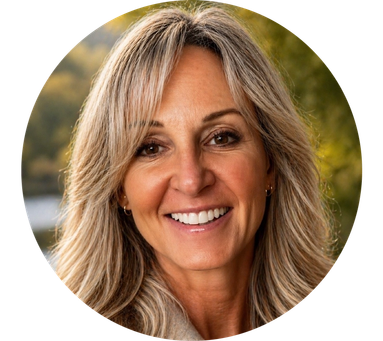
Robin Potter
Special guest instructor
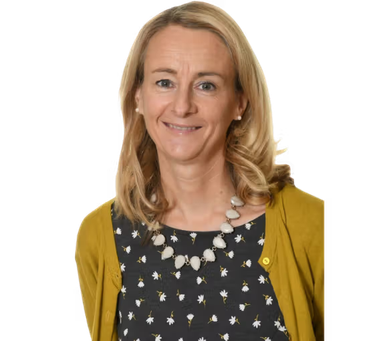
Sarah Matthews
Never miss an episode
Subscribe to get the latest The School of School podcasts delivered to your inbox.
Podcast Transcription
Adam Gifford
It's time for another School of School podcast on this episode. Robin and Andy are here and it's lovely to see you both. are you both? It's a Monday. I think you both had a good weekend, which is good news. It might not be going out on Monday, but this is what today is. Good weekend.
Andy Psarianos
We're here. Hi.
Robin Potter
Hey! Yes, hi!
Good weekend. Yeah, all around.
Adam Gifford
Excellent, excellent. And I'm delighted to say that Sarah Matthews with us, Head of Stanton St Quentin in Wiltshire. Sarah, how are you?
Sarah Matthews
I'm good thank you. Just had a week off so definitely bound to be good.
Adam Gifford
Excellent. This is excellent news. It's always good to sort of recharge the batteries and quickly forgotten I've found two, but really lovely to have you on the podcast. For listeners that may not have met you before or don't know about you, can you tell us a little bit about yourself and a little bit about your school?
Sarah Matthews
Thank for such a warm welcome. So my name's Sarah Matthews. I teach at a very tiny small village school in Wiltshire. I've been in education for 25 years and about five years ago I did my headteacher's training and at the moment I still really enjoy doing the mixture of leadership and being in the class with the children. Most people tell me I'm crazy and it would be a lot easier if I did one or the other.
But personally, I don't really want just an office job and I really enjoy the time with the children. I think it also means that I'm keeping up with what's going on and keeps me relevant really.
Andy Psarianos
I like how you slipped the at the moment. At the moment I'm enjoying.
Sarah Matthews
Well, know, there's plans for my class next year. It might change my mind. Andy Psarianos
Well, it's up to you really, isn't it? Sarah Matthews
They're a lovely class. And I guess this year as well, I've had the privilege of teaching maths every single day. I haven't had to hand it over to anyone, which I've quite enjoyed. And I think the children have enjoyed.
Adam Gifford
Thats a treat and having that balance lovely. I don't think it's wonderful. I'll make last and then you know if you're enjoying it, keep doing it. That's what I reckon like Andy said quite helps when you're the boss too right so you can make those decisions for yourself. know one thing that we've spoken about off here but it's an important part of any school and that's that aspect of community and I just wanted to you know
Sarah Matthews
Yeah, definitely a lot of multitasking.
Robin Potter
Yeah.
Adam Gifford
have a chance to discuss what that looks like in your community and in your school, that sort of thing.
Sarah Matthews
So community is really important to us. It's actually one of our curriculum drivers. Quite often we are looking for those opportunities to do things within the school community, our local community, and within our local community we also have army barracks as well. So that's quite diverse and it does mean that we have children in and out. Some children will be with us for a year, three years, some even shorter than that, and some children will come
and will be their sixth school, know, they might come in year six and they've been to different schools. It's really important that they feel part of our community. And for example, we've got, I've just been doing school reports over the holidays and I think I've written in one of the reports that one of the children, it feels like they've been there since reception, even though they've only just joined this year. And I think it's really important those relationships and welcoming children in so that they're in the best possible place to learn.
It's actually, you it can be quite tricky for children to have, you know, gone from one place to another. you know, quite often they've come in and they haven't used maths, problem, or they've already done a topic on the Romans and we're doing Romans. And it's about making sure that they don't have those gaps in their learning and that they feel secure. And so community is a big part of our school. It has been said by people that have joined the school that
the children are really welcoming and we see that and when I do tours for prospective parents or army people that coming in they say, you know, the way that the children talk to them, they can see that.
Andy Psarianos
Well, that's great. Yeah. Cause I guess, cause you, you, said your school is really small. So, so there's, you know, there's not a lot of options as far as community goes. Right. If, if you don't, if you don't get along, you know, you don't fit in, it's not like there's another group that you can go, you know, or another classroom you can try.
Sarah Matthews
Absolutely.
Robin Potter
You
Sarah Matthews
No, and that is one of the, I think, a strength of some of the smaller schools because you learn things at this age and quite often there's those conversations with you might not get on with that person, they might not be your best friend, but you need to work alongside these people. And some children would be, I've taught in year groups where there's 60 or 90 children of the same year group, like you say, they can go off and they can do something elsewhere.
Adam Gifford
Thank
Andy Psarianos
Hmm.
Sarah Matthews
go and make another friend but here you have to get on with people and it does teach you those life skills probably at a younger age.
Andy Psarianos
very important life skills too.
Robin Potter
long do the if they're coming from the from military are they there usually just for a few years or do you find that you can have them right through?
Sarah Matthews
mixture I've got there's one girl in year six her parents were both military only mum is now and they love the area etc so much that they've bought in the nearby village so she's actually a military pupil that we've had from reception to year six but that is rare we quite often last year on the day before we were due to return to school I had a phone call saying we've moved into the barracks over the summer holidays can we start tomorrow
Adam Gifford
you
Adam Gifford
Yeah. That's really interesting.
Sarah Matthews
And by the way, my son doesn't know any English. We have quite a lot of Nepalese come to us as well. all of those challenges are what makes me enjoy being in a village school. And it does change each year, or the number of children in and out. But we also get it from villages as well, and from people moving on top of that.
Andy Psarianos
Right.
Robin Potter
Really?
Andy Psarianos
Hehe.
Adam Gifford
Well.
Andy Psarianos
And so what are some of the things you would do in that scenario to try to ease the transition into the school?
Sarah Matthews
So in terms of their wellbeing, they're always given a buddy, somebody that they can go to and they look after them and we have lots of things set up. We have designated adult that will do sessions with them if they need that kind of thing. It all depends. It's very much on settling them in and assessing what their needs are and academically as well. This is where the Mass No Problem baseline. So we took a child in two weeks ago.
And it was a case of, what they've not done, that's no problem. we did, they've come into year three, so we've done the baseline paper to see straight away what they can do, what they can't do. And it's given us a really good starting point to know, right, okay, we can see that they don't seem to have any formal methods in place. They're working stuff out by drawing it here. that was, we do assess quite quickly on entry, you know.
whereabouts they are so that we can target it. Very one of our advantages of a smaller school is that we can set up sort of individual programmes for children. Quite often and I think I've said this before is that we've had we have children come in and we quite often even if say they come in in year two we would start them on the year one mass no problem curriculum and what we find is when they get to maybe five or six we can
Andy Psarianos
Mm-hmm.
Adam Gifford
you
Sarah Matthews
do some catch-up work of say the year five curriculum whilst teaching them the sixth curriculum. It's a lot easier then because they've got those foundations in play in that place and they're not playing catch-up. You you put a child in a year group and they haven't got those stepping stones. You're just always, and it's really not good for their self-esteem.
Andy Psarianos
Mm-hmm. Yeah.
Andy Psarianos
Hmm.
Adam Gifford
Come here.
Andy Psarianos
No. And people don't, you know, yeah, I mean, I couldn't agree more, you know, the people don't realize a lot of people, especially non-educators I'm talking about really here, how important what you learn in those first few years in school actually is, right? They just think, wow, the numbers are easy, so it can't be that important, you know, but yeah, it's so critical. Those foundations are there.
Robin Potter
So you get them. Sorry, go ahead, Sarah.
Sarah Matthews
We've had.
We've had quite a few successes where we can say why we've done this and how they have been not just age related by the end of year six by doing this but even exceeding that as a result and I don't think that would have happened had we not done that.
Andy Psarianos
Hmm. That's great advice.
Robin Potter
You're certainly making the transition easier in coming to the school. Now I'm curious if you've got a student for a couple of years, you brought them up to speed, we'll say in math, and now they're having to leave. How do you think that impacts them having had that experience at your school, feeling part of the community, feeling like they
are enough that they can do the math or do whatever subject it is, but now they have to leave. How do you make the transition if they're doing the opposite and they're actually leaving your school?
Sarah Matthews
Quite a lot of them take their maths no problem books with them. You know, if they've left mid-year, we say you can take your book with you. You know, that's a big highlight, isn't it, getting your new workbooks. I think transition in terms of when they leave us in year six, I would say that they leave, the majority of our children will leave primary school with a love of maths, with enjoying maths and being quite capable. I quite often have a lot of students that come back in year seven.
Robin Potter
Do they?
Sarah Matthews
to on their training days to come and help. It's that community always welcome them back. And quite often they'll also come back to me in year 10 for their work experience. And I had a boy back recently for a week in year 10. He couldn't wait to come back. And I had him sat teaching Maths No Problem lessons to year groups. And he
Robin Potter
great.
Adam Gifford
you
Andy Psarianos
lovely.
Sarah Matthews
you know, he absolutely, he loved maths when he was at primary school. I think the first few years when they go off in year seven and eight are tricky, especially if they're not set maths and a lot of the children come back and go, it's way easier than what we used to do with you, Mrs. Matthews. And, you know, I know some of that is, you know, what they like to say, but, you know, generally speaking, a lot of them will come back and say, we're in top set, Mrs. Matthews, and they like to let me know how they've got on in their maths and that they still really, really enjoy maths.
Andy Psarianos
You're fantastic.
Sarah Matthews
To a little aside, one of the first children I taught, and I taught her for three years, I moved year groups, and then when my daughter started secondary school in year seven, I looked at her math teacher and I thought, that's really strange, I feel like I know that name. She wanted to be a math teacher when I first taught her. So I went along to parents' evening and it was the same daughter, it was the same girl that was teaching my daughter. She came up and chugged me and she was like, I am a math teacher and I'm teaching your child and I...
Adam Gifford
Thank
Adam Gifford
Brilliant.
Sarah Matthews
petrified of this meeting. So that is my, you know, that's kind of my passion is that they carry on enjoying maths.
Robin Potter
Yeah
Adam Gifford
What a lovely compliment. think that I always felt most touched if you get people that come back and they say, want to be a teacher. I don't know what it is, that always for me is, know, sometimes they'll come back and, oh, I've done this and done this and think they've gone on to do great things or they're happy, you know, all that sort of stuff. But you know, when they say I wanted to be a teacher, I think, yeah, there's something about that that I think is quite lovely. Especially when they get to teach a daughter. I think that sort of completes the circle. It's lovely.
Robin Potter
Mm-hmm.
Andy Psarianos
Mmm.
Sarah Matthews
Yeah.
Robin Potter
Yeah.
Sarah Matthews
Yeah, I was looking at a mark and go, that's really good marking. Yeah, yeah, like that.
Andy Psarianos
Hehehehehe
Adam Gifford
I was just wondering actually about staff. you're like the dynamic of school is quite small. It's going to be a different dynamic for your staff than say, I don't know, a four-form or five-form entry school where each year group can almost have its own kind of staff meeting, you know. What do you do for your staff in terms of community? Because you're clearly set up to, you know, when your children come in and just that general sense of your families, all that sort of stuff sounds like it's just wonderful, works really well.
What sort of considerations do you need to make with your staff that perhaps a school with, know, family or children, it might be different?
Sarah Matthews
Yeah, good question. I think that's one of the things where I was talking about that community where this year we have come together with four or five very small village schools that are in sort of, you know, a 30 mile radius. And I've organized meetups for, the early years to get together all the early years teachers, because you don't have that partner teacher, you don't have those opportunities.
actually all of our classes are job shares which is on purpose as well because we have then got more staff and it does also give us two people within that classroom so it does mean that we've got a bigger staff but still that's the same person and it's really important that you have got that wider community and I know that the Key Stage 1 teachers have met up and one of their focuses this year was on areas of maths and they all looked at their sort of
maths action plans and they've been able to have that wider community and the same for sort of key stage two and the same for the headteachers. We get together once a term and say what's our priorities and what's working well and we help each other out that way so we've made our own sort of slightly bigger community because it's really important to like you say you know we've done all this but what do we need to provide for the staff.
Adam Gifford
Just out of interest, do you get any central funding for it? Like, is there anything out there that says we acknowledge that? You're shaking your head already. Really, it's interesting, isn't it? I mean, it's so important that what you're doing, I'm guessing, would be something that you'd try to carry on forever and a day for your staff. That's really interesting. no support, local authorities?
Robin Potter
Yeah.
Sarah Matthews
Right.
Sarah Matthews
So we have each local authority school has what we call a school improvement advisor. So she's very supportive of us doing this. I've led the Key Stage 2 meetings this year and then another school led, Key Stage 1 and another school led the early years. I'm very careful with planning our time and our staff meetings and ensuring that sort of wellbeing. So I've sort of allocate time within.
our staff meetings so that they're not expected to do something else. So say, you know, this week you're going to meet as a hub, there won't be a staff meeting and things like that because it is trying to fit in and making sure that any time, know, teachers time is precious. So any time they have, it has to be that it's quality and it's having an impact when you're meeting with other people. It's not just a fun chat or it's nice to see people. need, you know, we've been very
Adam Gifford
Yeah, I find that fascinating. know like the importance of when I just before I came out to the UK, I've been here for a long time, I
Sarah Matthews
very clear about there needs to be a purpose to this and we need to evaluate it, see if it's worked and it's having impact on learning and teaching as well.
Adam Gifford
the little bit of work in schools that were similar, I think, to your school, very small numbers, right? And quite isolated areas. And that reliance on other schools was really important. And also under the, at the time the government was thinking, should we just bus the children to a bigger school? So even that kind of threat of the school, and it was kind of like...
there was safety in numbers to say, listen, this is the heart of the community. I mean, you can argue, you know, maybe it's church or a sports club or something like that, but the schools, that real heart of a community. And I think that that not only worked in terms of professional development, but also that combined voice to really highlight the importance and just how absolutely essential these schools are.
Andy Psarianos
Hmm.
Adam Gifford
within that community for that community to function as you expect the community to. So, yeah, I'm just I'm always interested to what sort of support you get with that and recognition of just how important it is. But, you know, I guess it's OK.
Sarah Matthews
I agree with you, think, you know, small village schools, they're very special and I know that probably, you know, we've had to think about ways we're joining with other schools, doing things so that we save money because obviously the costs are the same and, you know, there probably is places in bigger town schools. After Covid, we had quite a lot of children come to our school because they wanted to be.
We're very much outdoor school. have a forest school on site and that also benefits like children that are moving around. know, one of our focuses on our school improvement plan next year is going to be outdoor learning and I will look at how we can do more learning outdoor of maths as well because I think that's really important that the children are out there and they're active. Absolutely love maths, no problem. You know, textbooks, fluency and all that. But I think there's another element, another dimension that we can do that will complement that.
Andy Psarianos
Mm-hmm.
Adam Gifford
Okay.
Robin Potter
Hmm.
Andy Psarianos
Mm-hmm.
Robin Potter
Ooh, I love the outdoor school. Now, see, now I want to go.
Sarah Matthews
Well, we've got words opposite, where we walk half an hour and we've got two outdoor classrooms and we have an on-site classroom. So we are very fortunate with the size of the school and the grounds. A lot of people will drive past our school and go, did not realise you had all that space behind the school.
Andy Psarianos
Mmm. That's great. That's a luxury.
Robin Potter
wow, that's a whole other, this is a whole other topic you're getting into. Yes, yes, don't get me started, Sarah. So I'm curious though, when we were talking about, and Andy kind of referenced it, you are a very small village school. How many students would be at a very small village school?
Adam Gifford
you
Sarah Matthews
That's a whole other topic, yes, absolutely.
Sarah Matthews
For the moment we've got 78.
Robin Potter
78. So, and would most of the other schools be around that size that you're connected to?
Sarah Matthews
Some of them are smaller, some of them are a little bit bigger. So it can vary and obviously, literally our numbers change in the term. We know roughly how many are leaving at the end of the year, but we don't necessarily know how many are coming in. For some schools, it's always just 30 in, 30 out and they don't understand that, you know, we'll lose some people in one year group, but we will probably gain them in another year group. you know, that...
Robin Potter
Okay.
Adam Gifford
you
Adam Gifford
Yeah, it's a totally different skill set. I mean, it's just that that's what I mean. It's like you can't lose that.
Andy Psarianos
Mm-hmm.
Sarah Matthews
All of that comes with its challenges where you've got a small group of one and then a bigger group of another and how do you manage that?
Andy Psarianos
Well.
Robin Potter
Yeah.
Andy Psarianos
Hmm.
Adam Gifford
that skill set because it's too important and there's too many communities that rely on that to happen. And it's very difficult to replicate. know, like I think, you know, I think it's a real, real skill set that's, well, it's unique to your type of school, isn't it? You know?
Andy Psarianos
Mm-hmm.
Sarah Matthews
Absolutely.
Sarah Matthews
It is,
Andy Psarianos
Mm-hmm.
Robin Potter
Well this has been eye-opening for me. There are so many, I mean it's so great to hear about community and that the village schools have come together to form a community and your unique village school has formed a community with, sounds like many families that aren't necessarily there for the full time that their students are there.
children are that age, but you certainly do your best to make them feel part of that community. And it sounds like even when they leave, they often come back and, you know, have a visit. So you well done. Well done. They can't get enough. Yeah.
Andy Psarianos
They can't get enough.
Sarah Matthews
I think it's lovely that they want to come back and that they obviously have very happy memories of being at the school. It is lovely.
Robin Potter
Absolutely. Well, thanks for joining us.
Andy Psarianos
Thank you
Sarah Matthews
Thank very much.
More Podcasts on Education
Continue listening to our educational experts
© Copyright 2025. The School of School.